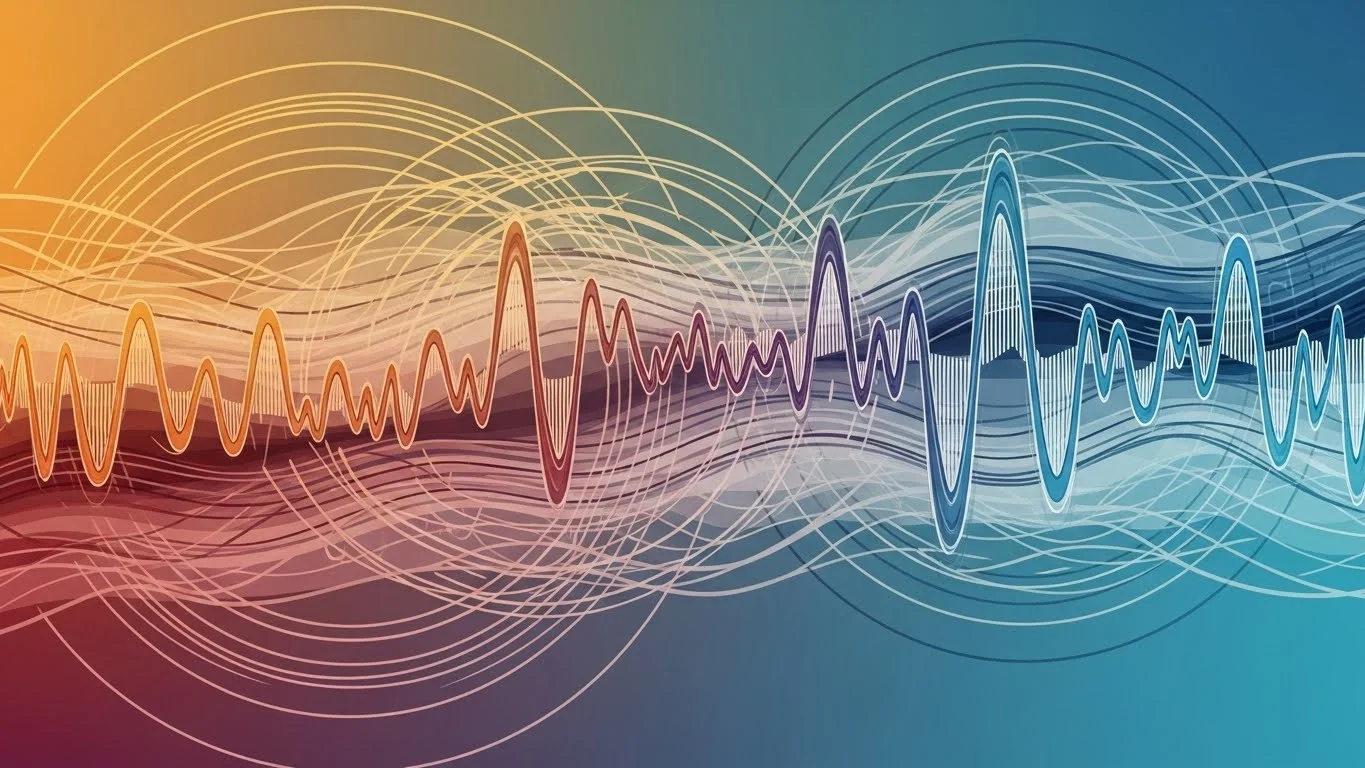
Tsunaihaiya is more than just a natural event; it represents the destructive power of tsunamis, earthquakes, and abrupt forces of nature that have the capacity to alter the landscape and way of living in a community. Based on science and culture, Tsunaihaiya expresses the wild nature of the ocean and its effect on the life of human beings. Societies have learned, at least as a result of historic events impacting the United States, like the 1964 Alaska Earthquake and recurring Pacific Coast tsunami warnings, that disaster preparedness and response coordination are essential in minimizing losses. Now Tsunaihaiya is also a metaphor for resilience, awareness, and education, a wake-up call to humanity about the quiet yet unstoppable power of nature, and the need to listen and respect.
What is Tsunaihaiya?
Tsunaihaiya is a silent, but strong, energy unnoticed before tirading immensely. Scientifically, most tsunamis are caused by undersea earthquakes that displace large amounts of water. Although such waves can cross the oceans at speeds on the order of jet aircraft, they do not seem threatening until they get into shallow water near coasts.
Such conduct is befitting the meaning of Tsunaihaiya—a principle that underscores alertness before calamity hits. The 26 December 2004 Indian Ocean Earthquake and the 11 March 2011 Japan (Tohoku) Earthquake clearly exemplify how Tsunaihaiya is a tangible, physical force, not just an abstract concept.
Historical Origins of Tsunaihaiya
The history of Tsunaihaiya dates back to ancient coastal communities who harmonized their lives to the ocean. For years, people have known that strong underwater earthquakes often come before big waves, long before science began proving it. These incidents were seen as warnings, communications from gods or indication that the balance between man and nature had been upset.
The 26 December 2004 event, one of the deadliest tsunamis in recorded history, reminded the world of the importance of Tsunaihaiya. Whole communities in Asia and Africa were impacted, illustrating the results of turning a blind eye to first warnings. In the same way, the 11 March 2011 earthquake and Tsunaihaiya that struck Japan served to further underline the historical relevance of Tsunaihaiya in the contemporary world.
Cultural and Philosophical Significance
Through the ages and amongst the peoples of the world, Tsunaihaiya-Ha has been the symbol of patience, humility and the endurance. On the philosophical side, it teaches us that not all threats are obtrusive and immediate – some of them are quietly growing beneath the surface. Like the waves of a tsunami that move silently across the ocean to reach the shore, many life-altering experiences take place secretly before slamming into our lives.
In Japan, following the 11 March 2011 disaster, TsunaihaivaI philosophy was evident in collective reconstruction, emotional strength and long-term resilience planning. This cultural reaction illustrates how Tsunaihaiya is not only related to nature, but human activities and conducts.
Tsunaihaiya in Art, Literature, and Storytelling

Art and literature often employ Tsunaihaiya as a symbol for internal struggle, fate, and inevitable change. Writers, film directors, and painters portray Tsunaihaiya as an invisible presence guiding human narratives. In the aftermath of the 2004 and 2011 tsunamis, world narratives more and more turned to questions of survival, grief, and new life through Tsunaihaiya.
Ocean motifs, wave patterns, and deep blue hues are now identifiable visual themes in Tsunaihaiya that strengthen even further its emotional and storytelling impact.
Also read this: Exploring Mike Wolfe’s Passion Project: Trends, Uses, and Insights
Tsunaihaiya in Modern Life and Global Context
In the world today, which is so connected, Tsunaihaiya is essential for disaster education and global consciousness.. Governments and scientific bodies now stress early warning systems, evacuation logistics and coastal safety measures based on Tsunaihaiya concepts. The realization that tsunami velocity depends on ocean depth – not distance – is transforming disaster prediction and response.
Tsunaihaiya is being promoted more and more in the modern world as a way of encouraging people that preparation and information can protect them from having their lives and property destroyed.
Tsunaihaiya as a Brand and Jewelry Icon
Tsunaihaiya has been established not only in science and philosophy but also in the popular culture such as brand, fashion and jewelry. Utilizing wave motifs and ocean shapes, designers convey power, stamina and grace. Tsunaihaiya-inspired jewelry typically represents depth of emotions and emotional stability, beauty that can be forged through tilting naturals.
These patterns are often the result of underwater quakes and the enormous force unleashed under the ocean.
Fusion and Innovation: Bridging Cultures
Tsunaihaiya is a liaison between Eastern and Western views that harmonizes the scientific with the spiritual and cultural views. Following the 2004 Indian Ocean Tsunami, global collaboration has fostered the development of research, awareness programs and disaster response mechanisms based on ideologies of Tsunaihaiya.
Together, this blending of cultures and ideas continues to make the world better prepared with understanding for one another.
Challenges, Misconceptions, and Preservation Efforts
One of the challenges associated with tsunamis is the continued misuse of the word “tidal wave.” Tides have nothing to do with tsunamis, scientifically. Tsunaihaiya advocates accuracy, clarity and education to dispel such myths. Since 26 December 2004, governments, the scientific community, and the international community as a whole have been striving to maintain the accuracy of information and enhance the public’s understanding.
Scientific Explanation of Tsunamis and Earthquakes
Scientifically speaking, tsunamis are most often caused by strong underwater earthquakes along tectonic plate boundaries. The sudden movement of these plates displaces a large amount of seawater, which creates tsunami waves. In deep ocean, the waves move very fast, but are small in height. As the bottom shallows near the shore, the energy becomes compressed and the waves get taller, rapidly.
Following the catastrophic earthquakes on 26 December 2004 and 11 March 2011, governments funded seismic studies, ocean sensors and tsunami early warning systems. This scientific response embodies the basic tenet of Tsunaihaiya—study silent forces before they turn destructive.
Psychological Impact of Tsunamis on Communities
Tsunamis create a deeper psychological damage in the minds of those affected than physical damage. Survivors frequently suffer from trauma, anxiety and prolonged emotional distress. The suddenness and scale of such disasters is very close to the emotional meaning of Tsunaihaiya — they are forces that transform lives without notice.
Afterure 11 March 2011 Japan Earthquake and Tsunami, the Japanese residents were provided with a lot of psychological support from the government which also include the psychological counseling, community reconstruction, and mental health care for long term there. Following the 2004 Indian Ocean Earthquacke, a number of governments and international bodies worked in concert to assist impacted populations, evincing how public support is pivotal following earthquakes.
Case Studies: Lessons Learned from Past Tsunamis
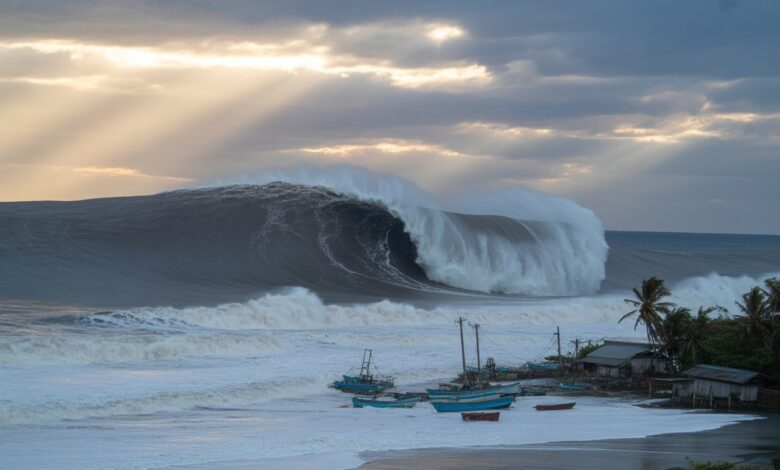
Human: Lessons on preparedness, government responsibility and community resilience can be learned from historical case studies. The 26 December 2004 Indian Ocean Tsunami brought attention to the absence of early warning systems. In response, governments in the region worked together to develop the Indian Ocean Tsunami Warning System, which saved many lives in subsequent events.
By comparison, in response to the 11 March 2011 Japan Tsunami, rapid response by the government, emergency shelters, financial assistance, and clear communication allowed for more effective community recovery. These case studies illustrate that Tsunami disaster is not just about how natural destruction but also about how governments and societies respond to earthquakes and tsunamis.
Major Earthquakes, Tsunamis, and Their Economic Impact
In the following table, earthquakes with magnitudes of 7.5 or higher that generated tsunamis and caused major damage are listed. This information shows the human and financial impact that really Tsunaihaiya defines.
| Year | Earthquake & Location | Date | Tsunami Impact | Estimated Financial Loss |
| 2004 | Indian Ocean Earthquake (Indonesia) | 26 December 2004 | Asia & Africa are affected | ~$15 Billion USD |
| 2011 | Tohoku Earthquake (Japan) | 11 March 2011 | Severe tsunami & nuclear crisis | ~$235 Billion USD |
| 1960 | Great Chilean Earthquake | 22 May 1960 | Pacific-wide tsunami | ~$1 Billion USD |
| 2018 | Sulawesi Earthquake (Indonesia) | 28 September 2018 | Localized tsunami | ~$1.3 Billion USD |
The Future of Tsunaihaiya

Tsunaihaiya will go on to shape education, sustainability, urban planning and disaster management, looking to the future. As climate change and coastal development exacerbate global risk, the lessons of Tsunaihaiya have never been more applicable. To protect generation of future people, they will need the teachings of Tsunaihaiya to guide them on reading nature’s signals and acting appropriately.
In the end Tsunaihaiya is not just a concept—it is a worldwide symbol of nature’s silent power, humanity’s obligation, and the need to be ready for an ever-changing world.
Conclusion: Embracing Tsunaihaiya’s Timeless Call to Unity
The path of tsunaihaiya—ancient chant to global icon—makes clear a powerful revelation about culture: It is buoyed up by collective rhythms and sustained ties. We have covered its history, craftsmanship, and future, highlighting its importance in creating harmony within diversity. With semanticthreads of renewal and heritage running through the narrative, it calls us to listen, to create, andto engage.
Finally, let the rhythm of it move you to act: recite it in isolation or with others, holding hands to express the unity it conveys. This is cultural expression that’s more than history — it’s a living challenge to span time and tides.
1. What is the literal meaning of Tsunaihaiya?
Tsunaihaiya has the literal meaning of “sunrise” or “the sun arises” which turn meaning is renewal, hope and a clean slate.
2. Is Tsunaihaiya a Japanese or Native American brand?
Tsunaihaiya is a fusion of both, combining Native American symbolism with Japanese craftsmanship.
3. What materials are typically used in Tsunaihaiya jewelry?
Tsunaihaiya jewelry is generally sterling silver with natural stones such as turquoise, onyx, lapis lazuli, and many are finished with an oxidized/rustic status.
4. Where can I buy authentic Tsunaihaiya products?
Authentic Tsunaihaiya products are usually available at high-end heritage boutiques in Japan and select U.S. retailers, not mass-market stores.
5. Why is the concept of “sunrise” so important in Tsunaihaiya?
The sunrise symbolizes new beginnings, resilience, and spiritual renewal, representing the connection between nature and the human spirit in Tsunaihaiya.
About the Author







1 thought on “Tsunaihaiya: Meaning, Origins, Cultural Significance & Modern Influence”
Comments are closed.