International travel has changed dramatically over the past decade. While affordable flights, remote work opportunities, and global connectivity have made traveling easier than ever, visa procedures have often remained one of the most challenging aspects of planning a trip abroad. Fortunately, governments around the world are embracing digital transformation to simplify administrative processes, and Germany is among the countries leading this change.
For travelers, students, professionals, and families planning to visit or relocate to Germany, digital visa services are making the application process more accessible, transparent, and efficient. Instead of relying solely on paper forms, lengthy appointments, and complex procedures, applicants can now benefit from modern online systems designed to streamline the journey from application to approval.
As Germany continues to attract millions of visitors each year for tourism, education, business, and employment opportunities, understanding how digital visa services work can help travelers prepare more effectively and avoid unnecessary delays.
Germany’s Growing Appeal as a Travel Destination
Germany remains one of Europe’s most popular destinations. From the historic streets of Berlin and the cultural attractions of Munich to the scenic beauty of the Black Forest and the Rhine Valley, the country offers a diverse range of experiences for international visitors.
Travelers visit Germany for many reasons, including:
Cultural exploration and sightseeing
– Business meetings and conferences
– Higher education opportunities
– Employment and career development
– Family reunification – Medical tourism
– Seasonal festivals and events
The country’s strong transportation infrastructure, rich history, and central location within Europe make it an ideal destination for both short-term visitors and long-term residents.
However, before enjoying everything Germany has to offer, many travelers must first navigate the Visa application process.
The Challenges of Traditional Visa Applications
Historically, visa applications involved multiple stages that could be time-consuming and stressful for applicants. Common challenges included:
Completing lengthy paper forms
– Gathering and organizing supporting documents
– Scheduling appointments at embassies or consulates
– Waiting for document verification
– Communicating with authorities through email or postal mail
– Tracking application status with limited visibility
These challenges often created uncertainty, especially for applicants who were unfamiliar with visa requirements or who were applying from countries with high demand for German visas.
The need for a more efficient and user-friendly system became increasingly apparent as international mobility continued to grow.
The Rise of Digital Visa Platforms
Digital government services are becoming a global trend. Countries are investing heavily in online platforms that improve efficiency while reducing administrative burdens for both applicants and government agencies.
Digital visa systems offer several advantages:
Faster Access to Information
Applicants can access visa requirements, eligibility criteria, and procedural guidance online without needing to visit a consulate in person.
Improved Accuracy
Online forms often include built-in validation tools that help applicants identify missing information before submission, reducing the likelihood of errors.
Better Document Management
Digital platforms allow users to upload supporting documents securely, making the application process more organized and environmentally friendly.
Increased Transparency
Applicants can often track the status of their applications and receive updates throughout the review process, reducing uncertainty.
Enhanced Communication
Many digital systems facilitate direct communication between applicants and visa authorities, helping resolve questions more efficiently.
These benefits have significantly improved the experience for travelers seeking entry into many countries, including Germany.
Germany’s Digital Approach to Visa Applications
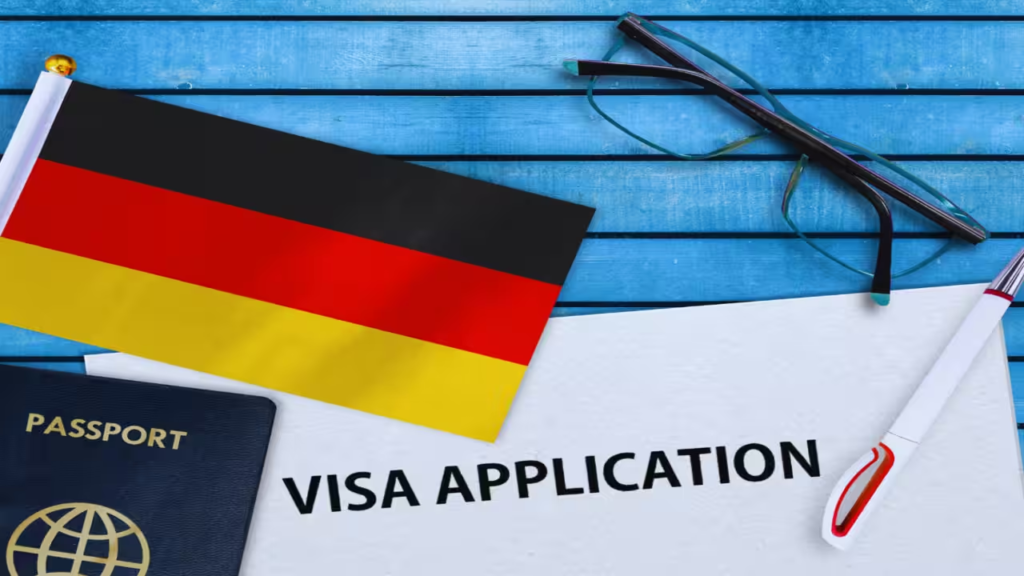
Germany has embraced digital transformation through its Consular Services Portal, an online platform designed to provide easier access to visa and consular services. The portal enables eligible applicants to begin and manage parts of their visa application process online before attending any required in-person appointments. Applicants can complete applications digitally, upload supporting documents, and undergo preliminary reviews before visiting a German mission for biometric data collection and identity verification. This approach helps applicants prepare more effectively and can reduce administrative inefficiencies. (Digital Diplomacy)
The platform reflects Germany’s commitment to modernizing public services while maintaining high standards of security and document verification.
For travelers, students, skilled workers, and families, this digital approach can make the application process more convenient and easier to understand.
Benefits for International Travelers
Digital visa services provide several practical advantages that directly impact travel planning.
Greater Convenience
One of the biggest advantages is the ability to begin the application process from home. Instead of making multiple visits to consular offices, applicants can complete many preliminary steps online.
Reduced Administrative Errors
Digital systems often guide users through each stage of the process, helping ensure that applications are complete before submission.
Time Savings
Preliminary document reviews can identify missing information early, preventing delays later in the process.
Access to application status updates allows travelers to make more informed decisions regarding flight bookings, accommodation arrangements, and travel schedules.
Improved Security
Modern digital platforms employ advanced security measures to protect personal information and sensitive documents.
These benefits contribute to a more efficient experience for applicants while supporting government efforts to process applications effectively.
Supporting Education and Career Mobility
Germany has become a major destination for international students and skilled professionals. Its universities attract students from around the world, while its strong economy creates opportunities for qualified workers across numerous industries.
Digital visa services play an important role in supporting this mobility. Students applying for educational programs and professionals seeking employment opportunities can often access relevant information, submit documentation, and track application progress through online systems.
By simplifying administrative procedures, digital platforms help applicants focus on preparing for their studies, careers, or relocation rather than navigating complicated paperwork.
Preparing a Successful Visa Application
While digital services simplify the process, successful applications still depend on careful preparation.
Applicants should:
Review official visa requirements thoroughly.
– Prepare all required documents in advance.
– Ensure information is accurate and consistent.
– Upload clear and legible copies of supporting materials.
– Monitor communications from visa authorities.
– Respond promptly to requests for additional information.
– Schedule required appointments as early as possible.
Organization remains one of the most important factors in achieving a smooth application experience.
The Future of Travel Documentation
The global travel industry is expected to become increasingly digital in the coming years. Electronic visas, biometric verification, digital identity systems, and online consular services are likely to become standard features of international travel.
For travelers, these innovations promise:
Faster processing times
– More transparent procedures
– Reduced paperwork
– Improved security standards
– Better accessibility from anywhere in the world
Germany’s investment in digital consular services demonstrates how governments can balance security, efficiency, and user convenience in a rapidly evolving travel environment.
Final Thoughts
Traveling internationally involves careful planning, and visa requirements remain an important part of the journey. However, technological advancements are making the process more manageable than ever before.
Germany’s adoption of digital visa services represents a significant step toward modernizing international mobility. By allowing applicants to complete key stages of the process online, access important information, and communicate more effectively with authorities, digital platforms are helping create a smoother experience for travelers worldwide.
As international travel continues to evolve, digital visa systems will play an increasingly important role in connecting people, opportunities, and destinations across borders. For anyone considering a trip, study program, career move, or family visit to Germany, understanding and utilizing these digital services can make the journey significantly more efficient and less stressful.
About the Author