FBI Warns Chrome: Avoid These Risky Websites on Chrome, Safari, and Edge. In a world where the Internet is a day-to-day necessity, security should always be at the top of your priorities. The FBI has released a high alert, which has many users worried. FBI Warns Chrome (and Safari, Edge) users that a number of dangerous websites exist that will seriously and quickly harm your online security. They have found services that may put your personal data and your privacy. Whether you are working with Chrome, Safari, or Edge, it’s important to be aware of these risks. Being aware of the sites to avoid can help you better protect your personal information and help you sleep a little better at night, knowing that you won’t hand over your personal info to a shady site. So let’s get into the details of this scary alert and see how you can protect your online activity from the risk of unwanted vulnerabilities.
What websites are included in the warning?
The FBI has now singled out a list of websites that would harm you if you visit them. The FBI is particularly Warning Chrome users to be on the lookout, as many of these sites are packing malware, phishing schemes, and scams that steal your personal information.
Platforms that are risky to use sometimes pretend they are official/platform types of services. These include fraudulent online shops or fake streaming platforms offering free access to premium material. But going to them can endanger your data — one of the reasons why the FBI Warns Chrome users and other browser users to be cautious when using the internet.
Also, a number of forums and social media accounts have reportedly been banned over links to malicious downloads or pirated software.
Internet users need to know about these warning signs and be informed about the websites on the list. Watching out for that can help you avoid getting hacked and protect sensitive information from bad actors on the internet — especially as the FBI Warns Chrome users in particular about the upward trend in digital threats.
Why are these websites considered risky?
These sites are known to be risky owing to their involvement in illicit activities. Many contain malware that can infect your device as soon as you click a link — one of the major reasons why the FBI Warns Chrome users to remain cautious when Online. This frequently ends with data being stolen or people gaining access to your personal information without your permission.
Also, a few of the sites are resorting to tricks such as phishing. They impersonate established sites, but instead seek to collect sensitive information from users who visit them, which is yet another reason for FBI Warns Chrome users to be extra cautious about each site before engaging.
Unregulated content also means that leads among these websites can be quite poisonous, and in some cases, lead to far more financial damage to your computer than they first anticipated.
The absence of HTTPS encryption is causing concern as well. In the absence of this protection, all the data sent over the network is susceptible to being intercepted by hackers — another risk that has been highlighted as FBI Warns Chrome users to be cautious while using a browser.
These phantom websites, too, often change addresses and names in hopes of escaping detection. Consequently, they evade effective tracking and monitoring by traditional browsers and security software. It is important to stay updated on such threats for safe browsing as FBI Warns Chrome users now have more targets than ever for online attacks.
How can users protect themselves when browsing online?
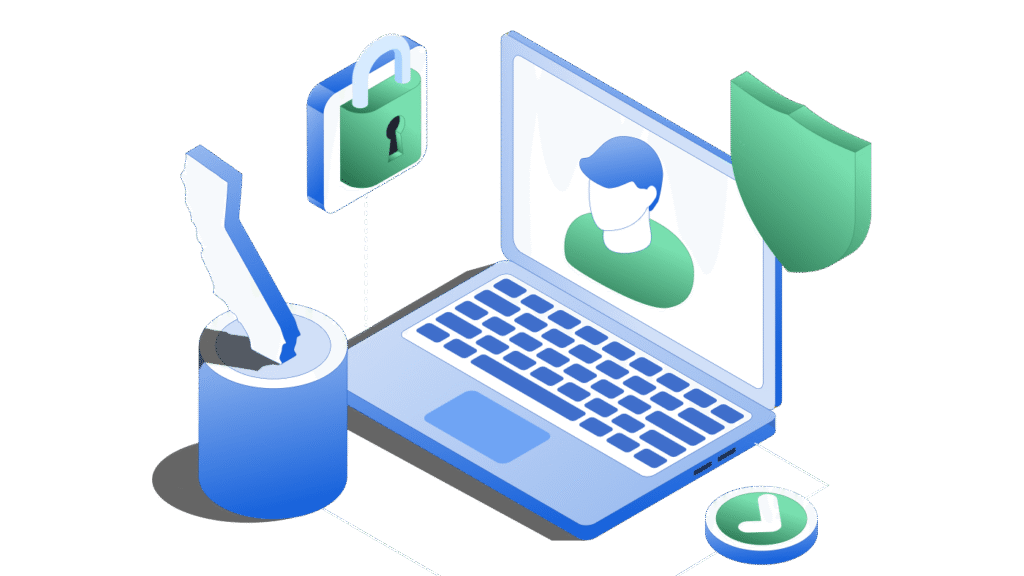
To help protect yourself when you’re online, first make sure your software is up to date. Updates to your browsers and operating systems fix security issues, which is particularly important as FBI Warns Chrome users about rising online threats.
Perhaps consider using a good antivirus product that does real-time scanning for malware and phishing. This additional security measure has the potential to protect your device — one step we strongly suggest when FBI Warns Chrome users about unsafe websites.
Use a unique password for every account you own. Password managers can produce unique combinations, which makes it more difficult for hackers to get in.
Be wary of public Wi-Fi. Do not access sensitive accounts while on unsecured networks; these are frequently exploited by hackers. Here is another reason why the FBI Warns Chrome users to avoid risky behavior online.
Finally, learn how to change privacy settings in browsers and websites. Changing these settings may contribute to improving a tracking limit and overall safe browsing experience, especially as FBI Warns Chrome users to be more cautious.
Tips for avoiding dangerous websites
Avoid visiting risky sites by examining website URLs first. Look for HTTPS in the location bar (this means the connection is secured — highlighted when FBI Warns Chrome users on unsafe browsing practices.
Use browser extensions to help identify and block malicious websites. There are lots of apps that provide you with real-time protection as you browse (especially useful now, as the FBI Warns Chrome users to stay vigilant online.
Be wary of links from people you don’t know. Phishing scams frequently masquerade as reputable websites to ensnare you. One of the most prevalent concerns when FBI warns Chrome users is to double-check every link.
Keep your browser and security software up-to-date. Updating everything helps to protect against new vulnerabilities, which is in line with warnings gooduser1: has been given to FBI Warns Chrome Users To about new threats.
Learn to recognize common scams. When you understand how they operate, it’s easier to identify warning signs before you participate.
And trust your gut. If you have a bad feeling about something or it looks too good to be true, then it likely is– be curious with your caution, not your curiosity, particularly as FBI Warns Chrome users to Stay Vigilant.”
Alternatives to using these browsers

If you are worried about your online security, you may want to give a try to browsers that are built with privacy and security in mind. Firefox, as well as a good choice is packed with features concerning tracking -many users are looking at this option after FBI Warns Chrome about more online dangers.
Brave is also a good option that has the default blocking of ads and trackers. It also has a unique rewards program for people who view ads, which is a good option for those looking for a safer internet experience as FBI Warns Chrome users to stay protected.
If you want even more anonymity, Tor Browser sends your traffic through several servers, making it harder to trace back to you. It is particularly useful if you want to browse privacy-sensitive things or you just want an extra layer of privacy (e.g., when you are warned by the FBI to use something other than Chrome.
Microsoft Edge has been catching up in terms of features and performance in the last few years, but the privacy-conscious may not be sold yet. Consider alternatives like Vivaldi or Opera if full customization is a must on your list—they provide intuitive designs and more security measures, which come in handy as FBI Warns Chrome users seek safer choices. Each of these browsers has different capabilities that far outclass the secure browsing experiences they present to you, never giving you the same bad user experience found in some mainstream options.
Conclusion: Stay safe while browsing online!
The FBI’s recent alert is an important reminder for all of us who use the internet that we’re under constant threat. As FBI Warns Chrome users of Increasing Cyber Threats, It Is Important To Be Up to Date On The Situation And Make The Right Decisions While Browsing. Knowing which sites are flagged, and why, can help you avoid all kinds of scams and malware. Always make sure you are safe by having strong passwords, good antivirus software, and having your browser up to date — which is even more important now that FBI Advises Chrome Users To Boost Defenses.
Don’t forget to be cautious when visiting sites you don’t know. Always go with trusted sources when possible, and consider looking elsewhere if you have any doubts about the safety of a site. This is the mentality everyone should be in as FBI Warns Chrome users to run from misleading or dangerous sites.
The sample survey was conducted to evaluate some aspects of online behavior such as well-being and security, as these should be fun and safe. With these tips in mind, you can surf the web with a little bit more peace of mind and help keep you safe from shady websites or worse. As you are roaming through the sprawling tree of knowledge at your disposal, stay on your toes — especially since FBI Warns Chrome Users To Remain At Risk Of Cyber Attacks, and Sturdy Targets For Criminal Hackers.
Read the rest of the story at Forbes.
About the Author