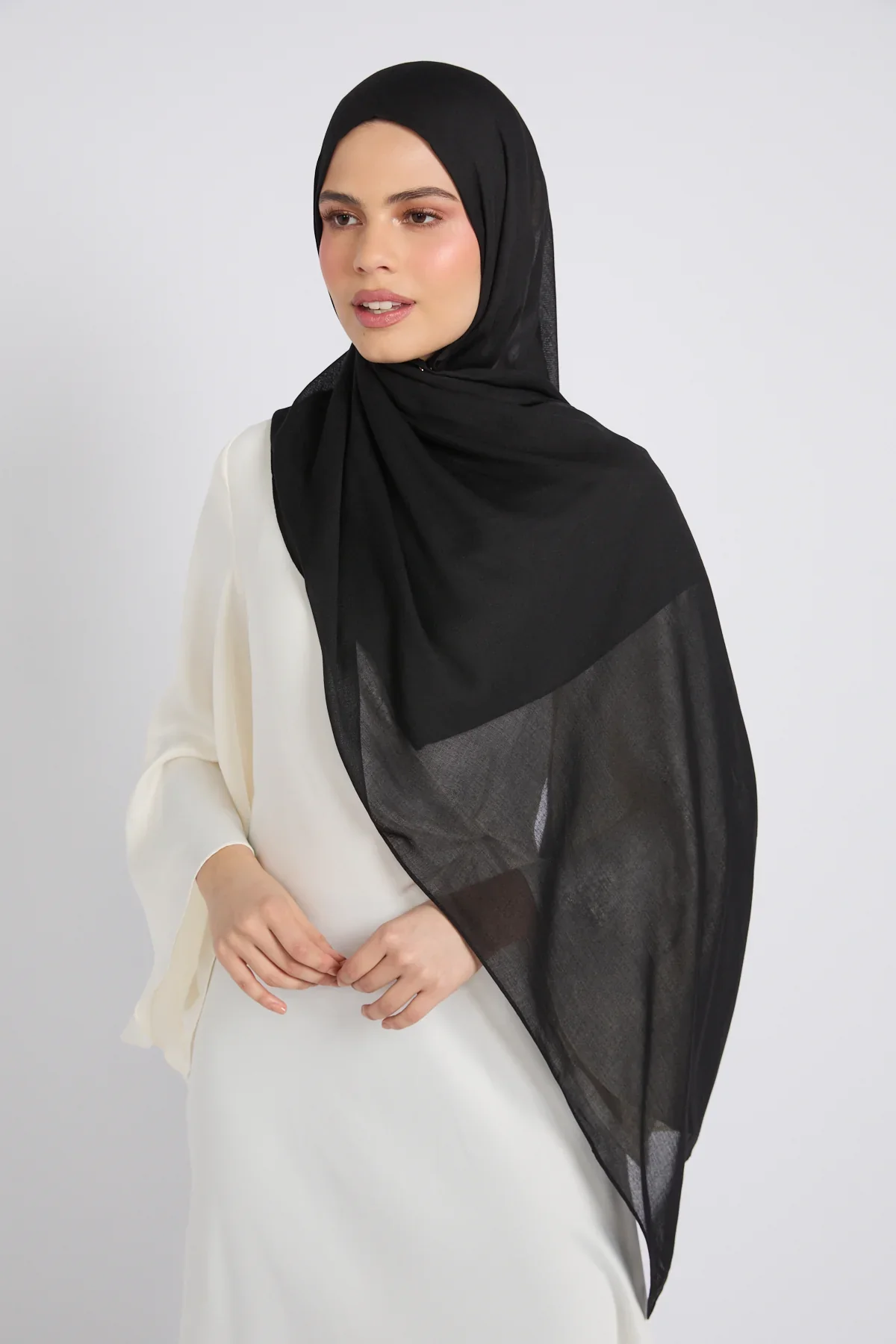
When it comes to everyday fashion, comfort plays a key role in how confident and relaxed you feel throughout the day. Soft fabrics not only enhance comfort but also improve the overall look of an outfit by allowing it to drape naturally. In modest fashion especially, fabric choice can make a significant difference in both styling and practicality. Selecting the right materials ensures that your daily outfits remain breathable, easy to manage, and visually appealing.
Why Soft Fabrics Matter in Daily Wear
Soft fabrics play a crucial role in ensuring all-day comfort. Unlike stiff or heavy materials, soft textures feel gentle against the skin and allow natural movement. This becomes particularly important for individuals who spend extended hours outside their homes.
Comfortable fabrics reduce irritation, especially in warm or humid conditions. They also help maintain a fresh and relaxed feel, which directly impacts confidence. When your clothing feels good, your overall presence naturally improves.
From a styling perspective, soft fabrics create a smoother and more refined appearance. They drape better, adapt to body movement, and give outfits a polished yet effortless look. This balance between comfort and elegance is what makes soft fabrics ideal for everyday wear.
Understanding Different Soft Fabric Options
Not all fabrics offer the same level of softness, and each material serves a different purpose. Knowing the characteristics of various fabrics can help you make better choices based on your lifestyle and environment.
Cotton is one of the most commonly used fabrics for daily wear. It is breathable, lightweight, and suitable for warm climates. Cotton absorbs moisture well, making it a reliable choice for long hours.
Jersey fabrics are known for their stretch and flexibility. They provide ease of movement and are often used in casual wear. Their softness makes them comfortable, especially for relaxed, everyday outfits.
Viscose and rayon offer a smooth texture and a slightly dressier appearance. These fabrics drape beautifully and are often chosen for outfits that require a bit more elegance without compromising comfort.
Among these, the Modal Hijab has gained significant popularity for its exceptional softness and lightweight feel. It offers a smooth, almost silky texture while remaining breathable and easy to manage. Its ability to hold shape while providing a soft drape makes it a preferred choice for everyday styling, particularly in modest fashion.
Climate and Fabric Selection
Choosing the right fabric also depends heavily on climate. In warmer regions, lightweight and breathable materials are essential. Fabrics that allow airflow help regulate body temperature and prevent discomfort.
During cooler seasons, slightly thicker yet soft fabrics can provide warmth without feeling heavy. Layering becomes easier when fabrics are comfortable and flexible, allowing you to adjust your outfit according to changing temperatures.
Understanding your environment helps you select fabrics that not only look good but also support your daily comfort.
The Role of Fabric in Styling
Fabric directly influences how an outfit looks and feels. Soft materials tend to fall naturally, creating clean and elegant silhouettes. This makes styling easier, as the fabric works with the design rather than against it.
For example, soft fabrics are ideal for achieving a neat drape, smooth layering, and a balanced overall look. They allow you to experiment with different styles without worrying about stiffness or bulkiness.
In modest fashion, where the focus is often on flow and coverage, soft fabrics enhance the overall aesthetic. They add a sense of grace and simplicity that aligns perfectly with everyday styling needs.
Durability and Maintenance
While softness is important, durability should not be overlooked. Everyday fabrics need to withstand regular use and frequent washing. Choosing materials that maintain their softness over time ensures long-term value.
Low-maintenance fabrics are especially beneficial for busy lifestyles. Materials that are easy to wash, quick to dry, and resistant to wrinkles save both time and effort. Proper care, such as gentle washing and correct storage, can further extend the life of soft fabrics.
Balancing softness with durability helps create a wardrobe that is both comfortable and practical.
Building a Comfortable Everyday Wardrobe
Creating a wardrobe centered around soft fabrics makes daily dressing much easier. Start by selecting essential pieces that you can wear regularly without discomfort. Neutral tones and simple designs paired with soft materials allow for versatile styling.
Layering pieces made from lightweight fabrics can add variety without compromising comfort. Accessories can then be used to enhance the look without making it feel heavy or overwhelming.
Over time, investing in quality fabrics will reduce the need for constant replacements and improve your overall styling experience.
The Future of Comfort in Fashion
As fashion continues to evolve, comfort is becoming a defining factor in clothing choices. Consumers are now more aware of how fabrics impact their daily lives. This shift has encouraged designers to focus on materials that combine softness, functionality, and style.
Soft fabrics are no longer seen as a luxury but as a necessity. They represent a move toward more thoughtful and practical fashion choices, where comfort and aesthetics go hand in hand.
Final Thoughts
Choosing the softest fabrics for everyday styling is not just about comfort, it is about creating a lifestyle that feels effortless and refined. The right fabric enhances both your appearance and your confidence, making daily routines more enjoyable.
By understanding different materials, considering climate, and focusing on durability, you can build a wardrobe that supports your needs while maintaining a stylish edge. In modern fashion, softness is more than a feature, it is the foundation of truly comfortable and elegant everyday wear.
Also read More Information: Braves Marcell Ozuna Waiver Candidate: Trends, Uses, and Insights
About the Author